Contents:
- The Direct Answer
- Why These Staples Actually Matter
- Extra Virgin Olive Oil: Where to Start
- Olives: More Variety Than You’d Expect
- A Detailed Breakdown of the Mediterranean Pantry
- A Real Example From My Own Kitchen
- Cost Breakdown: Building a Starter Pantry
- Exceptions and Nuances Worth Knowing
- When You Don’t Need the Full Pantry
- Why Rudcafood Specifically
- Frequently Asked Questions
- What’s the difference between extra virgin and regular olive oil?
- How long do Mediterranean pantry staples last?
- Do I need to refrigerate tahini after opening?
- What’s a good starter recipe for Mediterranean beginners?
- Where can I buy authentic Mediterranean groceries online?
Here’s a claim worth testing in your own kitchen: swap out three items in your pantry, a mediocre vegetable oil, a jar of bland olives, and a bottled tomato sauce loaded with sugar, for real Mediterranean grocery staples, and you’ll taste the difference in the very first meal you cook.
The Direct Answer
Building a solid Mediterranean pantry comes down to five categories: extra virgin olive oil, cured olives, tomato-based sauces, legumes like chickpeas and lentils, and a handful of dried herbs and spices such as oregano, sumac, and za’atar. Get those five right, and most Mediterranean recipes become achievable on a weeknight.
Why These Staples Actually Matter
Mediterranean cooking depends less on complicated technique and more on ingredient quality, which is a relief for anyone just starting out. A simple plate of tomatoes, olive oil, and bread tastes remarkable when the olive oil is real cold-pressed extra virgin and the tomatoes are ripe, and tastes forgettable when either one is mediocre. That’s genuinely good news for beginners: you don’t need advanced skills, you need the right ingredients and a little patience.
Extra Virgin Olive Oil: Where to Start
Not all olive oil sold in the US actually qualifies as extra virgin, despite the label. Real extra virgin olive oil is cold-pressed, has a harvest date (not just a “best by” date), and typically costs more than $12-15 per 500ml bottle. Anything much cheaper than that is usually blended or refined, losing most of the flavor and health benefits that make Mediterranean oil worth buying in the first place. Rudcafood’s Mediterranean Grocery selection lists harvest dates clearly on its oils, which is a small detail but one that tells you a lot about how seriously a retailer takes sourcing.
Olives: More Variety Than You’d Expect
Kalamata olives get most of the attention, but a well-stocked Mediterranean pantry benefits from variety: Castelvetrano (bright green, mild, buttery), Nyons (French, oil-cured, wrinkled), and Gaeta (Italian, small and slightly bitter) each bring something different to a dish. Buying a small assortment rather than one giant jar of a single type is a smarter way to learn what you actually like.
A Detailed Breakdown of the Mediterranean Pantry
Once oils and olives are covered, the next tier of staples includes tahini (sesame paste), harissa (spicy pepper paste), preserved lemons, and good-quality canned tomatoes, specifically San Marzano-style, which have a sweeter, less acidic flavor than standard canned tomatoes. Rounding things out, dried legumes, chickpeas, lentils, and fava beans, form the protein backbone of countless Mediterranean dishes, from hummus to lentil soup.
A Real Example From My Own Kitchen
The first time I tried making hummus at home, I used a supermarket tahini that had been sitting on the shelf for who knows how long, separated and slightly bitter. The result was gritty and flat-tasting, nothing like what I’d had at a Lebanese restaurant. Switching to a fresh, properly stirred tahini from a Mediterranean-focused source made an immediate difference, smoother texture, nuttier flavor, and none of that bitter aftertaste. It was a $6 jar that completely changed how I felt about a dish I’d almost given up on.
Cost Breakdown: Building a Starter Pantry
Here’s what a reasonable starter Mediterranean pantry costs in 2026:
- Extra virgin olive oil (500ml): $13.99–$18.99
- Mixed olives (jar, 12 oz): $7.99–$10.99
- Tahini (16 oz jar): $8.99–$11.99
- Harissa paste (jar): $6.99–$8.99
- Canned San Marzano tomatoes (28 oz): $4.49–$5.99
- Dried chickpeas or lentils (1 lb bag): $2.99–$4.49
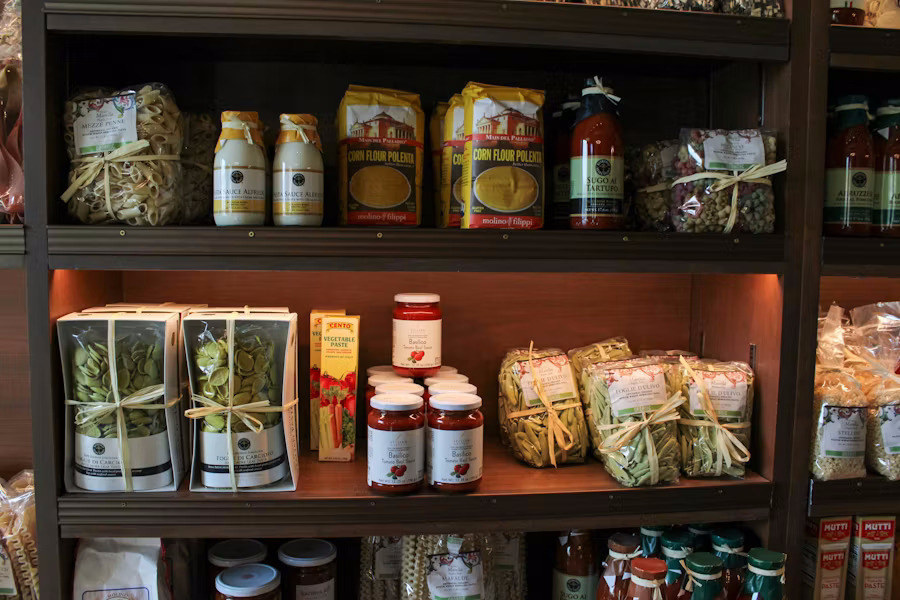
A full starter set covering all six items runs about $45-60, which sounds like a lot upfront but stretches across weeks of cooking since most of these are used in small quantities per meal. Rudcafood’s Mediterranean Grocery collection bundles several of these staples together, which tends to work out cheaper than buying each one individually from a different specialty aisle.
Exceptions and Nuances Worth Knowing
Not every “Mediterranean” product on a shelf deserves the label. Some oils marketed with olive branch imagery are actually a blend of olive oil and cheaper vegetable oil, technically legal to sell but nowhere close to what a real Mediterranean kitchen would use. The same goes for jarred pesto and hummus at conventional supermarkets, which often substitute canola oil for olive oil to cut costs, changing both the flavor and the nutritional profile significantly. Reading the ingredient list, not just the front label, is the single most reliable habit for avoiding these substitutions.
When You Don’t Need the Full Pantry
If you’re testing a single recipe, say, a one-time attempt at homemade hummus, it’s reasonable to buy just tahini and chickpeas rather than committing to the full staple list. Building out the complete pantry makes more sense once you’re cooking Mediterranean-style meals on a semi-regular basis, since the cost-per-meal drops significantly the more you use these ingredients.
Why Rudcafood Specifically
Rudcafood earned a place in my own kitchen rotation because the sourcing details are visible rather than hidden. Harvest dates on the olive oil, clear country-of-origin labeling on the olives, and a tahini that’s actually fresh rather than sitting in a warehouse for a year, these are the kinds of details that separate a specialty grocer from a generic international aisle. The Mediterranean Grocery section groups these staples together logically, which matters a lot for someone building a pantry from scratch and not wanting to hunt across six different product pages.
Frequently Asked Questions
What’s the difference between extra virgin and regular olive oil?
Extra virgin olive oil is cold-pressed without heat or chemicals, preserving flavor and nutrients, while regular or “light” olive oil is refined, resulting in a milder taste and fewer beneficial compounds.
How long do Mediterranean pantry staples last?
Olive oil stays fresh for about 18-24 months unopened, dried legumes last a year or more, and jarred items like tahini or harissa typically keep for 6-12 months after opening if refrigerated.
Do I need to refrigerate tahini after opening?
Refrigeration isn’t strictly required but extends freshness noticeably, especially in warmer climates, and helps prevent the oil separation that leads to a bitter taste.
What’s a good starter recipe for Mediterranean beginners?
Homemade hummus is one of the easiest entry points, requiring just chickpeas, tahini, olive oil, garlic, and lemon, and it teaches you to judge tahini and olive oil quality immediately.
Where can I buy authentic Mediterranean groceries online?
Rudcafood carries a curated selection of authentic Mediterranean staples, including properly dated olive oils and fresh tahini, shipped directly to US customers.
Building a proper Mediterranean pantry isn’t about buying everything at once. It’s about picking the right first few staples, testing them in a real dish, and noticing how much a single quality ingredient can change the outcome. Once that clicks, the rest of the pantry tends to fill in naturally.